How to Get Insurance or Medicaid to Cover Scanning Pens & Assistive Tech
Short answer: Sometimes. A reading pen can be funded by a school through an IEP or 504 plan, and some Medicaid and private health plans cover it as durable medical equipment when a clinician writes a letter of medical necessity. Coverage varies by plan and state.
Key takeaways
- Coverage for a reading pen is never automatic. It depends on your plan, your state, your school district, the documentation you provide and the reviewer's decision.
- The main funding routes are a school (through an IEP or 504 plan), a private health plan, Medicaid, a tax-advantaged account such as an HSA or FSA, and paying out of pocket.
- A Letter of Medical Necessity (LMN) from a licensed clinician is the document most often requested for health plan and Medicaid requests.
- First-round denials are common, and an appeal is often part of the process.
- This guide is general information and not legal, medical, tax or insurance advice. Verify every step with your insurer, your state Medicaid office, your school and your clinician.
Can You Get Insurance or Medicaid to Cover a Scanning Pen?
Yes. Assistive reading pens—such as the C-Pen Reader 2, Reader 3, C-Pen Lingo 3, and Scanmarker Max—can qualify as medically necessary assistive technology (AT) or durable medical equipment (DME), making them eligible for health insurance reimbursement, Medicaid coverage, or school district procurement.
When prescribed by a licensed healthcare or educational provider (such as a Speech-Language Pathologist, Occupational Therapist, Neuropsychologist, or Pediatrician), scanning pens meet established medical necessity criteria by compensating for neurodevelopmental deficits in decoding and reading comprehension.
An important caution: "can qualify" does not mean "will be approved." Many health plans classify reading pens as educational aids and not as medical equipment, and policies differ by insurer, plan type and state. Treat the information on this page as a map of the options, then confirm what applies to you with your insurer, Medicaid office, school and clinician before buying anything you expect to be reimbursed.
Who Qualifies for Coverage?
Reimbursement and funding pathways typically cover individuals facing documented barriers to functional literacy:
- Documented Reading & Learning Disabilities: Individuals diagnosed with developmental dyslexia, specific learning disorder in reading (SLD), dysgraphia, or reading comprehension deficit.
- Students with Active IEPs or 504 Plans: K–12 and college students whose educational accommodation plans identify assistive technology as necessary for accessing standard curriculum materials.
- Attention Deficit Hyperactivity Disorder (ADHD): Individuals whose executive functioning and working memory constraints cause severe reading fatigue and comprehension breakdown.
- Neurological & Sensory Impairments: Patients recovering from traumatic brain injury (TBI), stroke, or those managing visual processing deficits requiring auditory reading supplementation.
Eligibility is decided by the school team, the insurer or the Medicaid agency, not by the diagnosis alone. A diagnosis from a qualified professional is usually the starting point, and the plan will also look at the functional impact and why the device is needed. If you are unsure which category you fall into, ask your clinician or school to help you identify the right route.
What are the main ways to pay for a reading pen?
There are five common routes: school funding, private insurance, Medicaid, an HSA or FSA, and paying yourself. Each has different rules, paperwork and timelines, and none is guaranteed. The table compares them at a glance.
| Route | Who decides | Typical paperwork | Main caution |
|---|---|---|---|
| School (IEP or 504 plan) | The school team | Evaluation, IEP or 504 meeting, team decision | The school chooses which device meets the need, and rules vary by district |
| Private health insurance | The insurer | Letter of Medical Necessity, prior authorization, vendor quote | Many plans treat reading pens as educational, so denials are common |
| Medicaid | The state Medicaid agency | Provider prescription or letter, prior authorization | Benefits and processes differ by state |
| HSA or FSA | Your plan administrator | Receipt, and often a Letter of Medical Necessity | Eligibility depends on your plan's rules, so confirm before buying |
| Out of pocket | You | None | Compare price bands first with the comparison tool |
Other sources sometimes help, such as state assistive technology programs that loan or demonstrate devices, and vocational rehabilitation agencies for adult workers. Availability varies by state, so ask your clinician, school or local disability organization what exists where you live.
Legal Context: Why Scanning Pens May Qualify
Assistive technology is addressed in major federal and state laws, which can support a request for a reading pen:
- IDEA (Individuals with Disabilities Education Act): Mandates that public school districts provide assistive technology devices and related services at no cost to families whenever required for a Free Appropriate Public Education (FAPE).
- ADA (Americans with Disabilities Act) and Section 504 of the Rehabilitation Act: These laws support requests for reasonable accommodations in higher education and workplaces, and an assistive reading pen can be part of such a request. The institution or employer decides what is provided.
- Medicaid EPSDT Benefit: The Early and Periodic Screening, Diagnostic, and Treatment (EPSDT) mandate requires Medicaid to cover any medically necessary service or assistive device that ameliorates a child's physical, sensory, or mental condition.
These laws set out rights and processes, but they do not say that a specific pen must be paid for. For example, under IDEA the school team decides whether assistive technology is required for a child's education, and the team chooses a device that meets the need. Medicaid decisions are made case by case under each state's rules. For legal questions about your rights, consult a special education advocate, an attorney or your state agency. Our guide on pen scanners for schools covers the school side in more detail.
Required Documentation Checklist (The LMN Packet)
To secure approval from private health insurance carriers or state Medicaid programs, submit a comprehensive medical necessity packet including:
1. Letter of Medical Necessity (LMN): Authored and signed by a licensed provider (SLP, OT, or MD) detailing the patient's diagnosis, specific reading limitations, and why lower-tech solutions (like reading rulers or audiobooks) are inadequate.
2. Standardized Clinical Assessments: Recent psychoeducational or speech-language evaluation reports (such as CTOPP-2, WJ-IV, GORT-5, or WIAT-III) demonstrating decoding scores substantially below chronological age norms.
3. Device Trial Documentation: Objective data showing improved reading fluency, reduced cognitive fatigue, and increased task accuracy during a clinical trial with the reading pen.
4. Itemized Vendor Quote & Device Specifications: Official invoice or spec sheet specifying the exact device model (e.g., C-Pen Reader 2), warranty, and educational pricing.
Requirements differ by plan, so ask your insurer or Medicaid office for their exact checklist and forms before your clinician starts writing. The letter must reflect the clinician's own professional judgment and findings. Families should not ask a provider to state anything the provider has not assessed.
What should a Letter of Medical Necessity include?
A Letter of Medical Necessity should state the diagnosis, the functional problem, what has already been tried, why a reading pen is recommended and what goals it supports. The clinician writes it, signs it and takes responsibility for its content. The checklist below is a general guide, and your plan may want more or less.
- The patient's name, date of birth and plan details.
- The diagnosis and the date and type of evaluation.
- A description of how the reading difficulty limits daily, school or work tasks.
- Lower-cost or lower-tech supports already tried, and why they were not enough.
- The recommended device by exact model name, and the features that match the patient's needs.
- Measurable goals and how progress will be reviewed.
- The clinician's credentials, signature and contact details.
If you need help understanding how clinicians think about reading pens, read our guide for SLPs and OTs. It is written for professionals, and it may help you talk with your own therapist.
Common CPT & Billing Codes for Assistive Technology
Healthcare providers use specific Current Procedural Terminology (CPT) and Healthcare Common Procedure Coding System (HCPCS) codes when evaluating clients and billing for assistive devices:
| Code | Type | Description | Application |
|---|---|---|---|
| CPT 97755 | Clinical Evaluation | Assistive technology assessment (per 15 minutes) | Used by SLPs/OTs to evaluate the patient with the scanning pen |
| CPT 97535 | Therapy & Training | Self-care / home management training using assistive devices | Covers training the patient and family on device operation |
| CPT 97537 | Reintegration | Community / work reintegration training involving AT | Used for workplace, vocational, or higher-education training |
| HCPCS E1399 | DME Hardware | Durable medical equipment, miscellaneous / unclassified | Commonly utilized code when requesting insurance hardware reimbursement |
| HCPCS V5299 | Communication Device | Assistive communication / sensory aid, not otherwise specified | Alternative code used by speech-language clinics for assistive reading aids |
Billing codes are tools that providers use to describe services and items. A code does not create coverage, and a plan can still deny a claim that uses a correct code. Codes and rules are updated over time, and plans interpret them differently. Ask the provider's billing staff and your insurer which codes they use and whether they apply to your plan.
Step-by-Step Approval & Purchasing Roadmap
Follow these practical steps to navigate the funding process successfully:
- Step 1: Schedule an Assistive Technology Evaluation with your licensed SLP, OT, or school AT specialist.
- Step 2: Request an IEP or 504 Meeting if purchasing through school district funding. Under IDEA Part B, schools frequently purchase classroom packs directly via purchase orders.
- Step 3: Obtain a Formal Letter of Medical Necessity (LMN) from your provider with clear functional objectives.
- Step 4: Submit a Prior Authorization Request to your private insurance carrier or state Medicaid plan alongside the vendor quote.
- Step 5: Appeal If Denied. First-round denials are common. Submit supporting notes from your clinician or evaluator and any trial results showing how the pen helps, and ask the plan which documents it accepts.
- Immediate FSA / HSA Option: If insurance approval is delayed, scanning pens prescribed for dyslexia are eligible for pre-tax Flexible Spending Account (FSA) and Health Savings Account (HSA) reimbursement when accompanied by an LMN.
Two practical warnings apply to the steps above. First, do not buy the pen until you know whether the plan requires prior authorization or a specific vendor, because a purchase made earlier may not be reimbursed. Second, FSA and HSA rules are set by the IRS and by your plan administrator, so ask the administrator in writing whether a reading pen is eligible in your situation and what documentation they want. A tax professional can answer tax questions.
What should I ask my insurer or Medicaid office before buying?
Ask whether a reading pen can be covered at all, what documentation is required, whether prior authorization is needed and how to appeal. Write down the date, the name of the person you spoke with and a reference number for each call. This record helps if you need to appeal.
- Does my plan cover assistive reading devices, and under which benefit category?
- Is prior authorization required before purchase?
- Which provider types can write the supporting letter?
- Must the device come from a specific vendor or supplier?
- What documents, forms and test reports do you need?
- Is there a dollar limit or a limit on how often a device can be replaced?
- How long does a decision take, and how do I appeal a denial?
What are common mistakes when seeking coverage for a reading pen?
The most common mistakes are buying first and asking later, sending an incomplete packet and giving up after the first denial. A little preparation avoids most delays.
- Buying the pen before approval, then discovering the plan needed prior authorization.
- Choosing a device that does not match the documented need, such as a translation pen for a reading difficulty.
- Submitting a generic letter instead of one written for the specific patient and device.
- Not keeping copies of every form, receipt, letter and phone call.
- Missing appeal deadlines. Deadlines are set by the plan or agency, so ask what they are.
- Assuming that an HSA or FSA will always accept a reading pen without checking with the administrator.
Which reading pen should the letter name?
The letter should name the pen that matches the patient's documented needs, setting and exam rules. A different diagnosis or goal may point to a different device, so your clinician should guide the choice. The table summarizes catalog details that often come up in these conversations.
| Pen | Best for (catalog) | Exam status | Price band |
|---|---|---|---|
| C-Pen Reader 2 | Primary and secondary school literacy | Not for formal exams | $200–399 |
| C-Pen Reader 3 | Daily literacy support at home, school and work | Not for formal exams | $400+ |
| Scanmarker Max | K-12 classrooms, phonics, teacher-controlled exam use | Listed as exam approved | $200–399 |
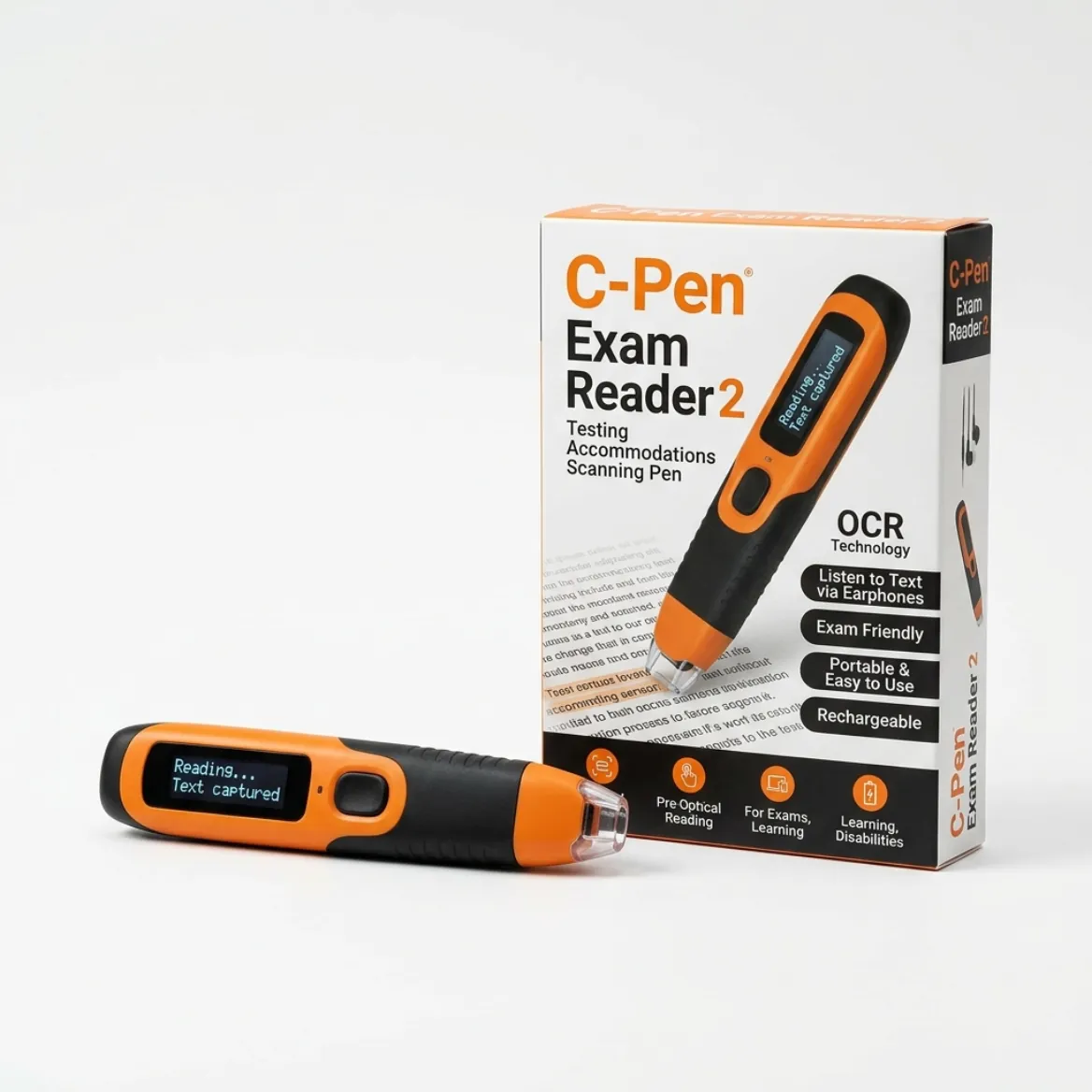
| C-Pen Exam Reader 2 | Formal exams and standardized tests | Listed as exam approved | $200–399 |
| RocketPen Reader | Dyslexia support with built-in dictionaries | Not for exams (a separate exam model exists) | $200–399 |
| C-Pen Lingo 3 | Foreign-language learners and EAL students | Not for exams | $400+ |
Exam approval is specific to the model, the mode and the exam provider, so confirm it with the exam centre or school. Our guide to exam-approved reading pens explains the rules. If dyslexia is the main reason for the request, read the best reading pens for dyslexia and the complete reading pen guide for dyslexia before you talk to your clinician.
What if the request is denied?
A denial is not always the end. You can usually ask for the reason in writing, correct missing information and file an appeal within the plan's deadline. Many plans have internal appeals, and some offer an external review.
- Ask for the denial in writing, including the specific reason and the appeal deadline.
- Ask your clinician whether the letter or records need to be updated.
- Gather trial notes, evaluation reports and any school records that show the need.
- File the appeal in the way the plan describes, and keep proof you sent it.
- For a school denial, ask what the dispute process is. Families can usually request a meeting, mediation or an independent evaluation, and a special education advocate can help.
- If insurance does not work, look at other routes in this guide such as an HSA or FSA, a state assistive technology program or paying out of pocket.
Who should skip the insurance route?
If you need a pen soon, the cost is modest for your budget, or your plan clearly excludes educational devices, buying it yourself may be faster. The funding process can take weeks or months, and approval is not guaranteed.
You might also skip a claim if the reader's main need is different, such as low vision or travel translation. For those needs, see reading pens for low vision and seniors or translation pens for language learners. To weigh price bands and features before deciding, use the interactive pen comparison tool or the reading pen category, and read what a pen scanner is if you are new to the technology.
Shop Eligible Assistive Reading Pens on Amazon
Amazon issues itemized receipts you can attach to HSA/FSA or insurance reimbursement claims. Commonly requested models:
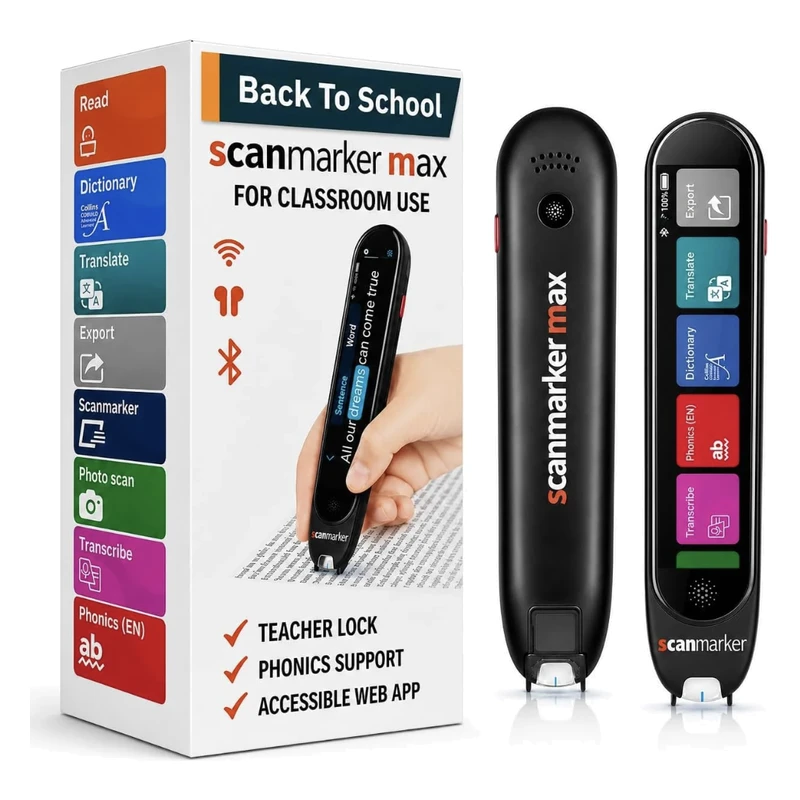 Scanmarker MaxStandalone touchscreenView details →
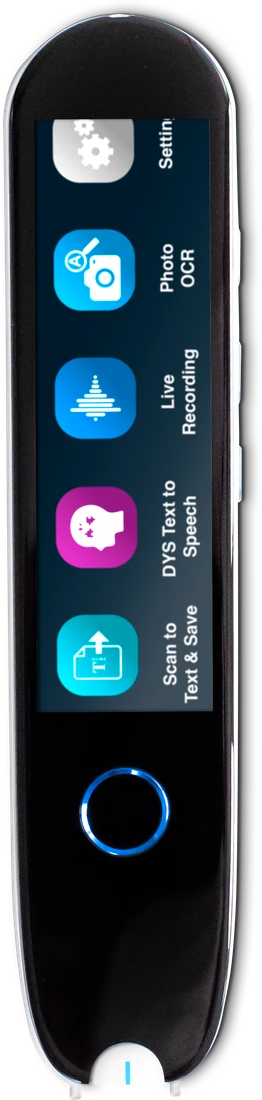 IRISPen Reader 8Standalone touchscreenView details →
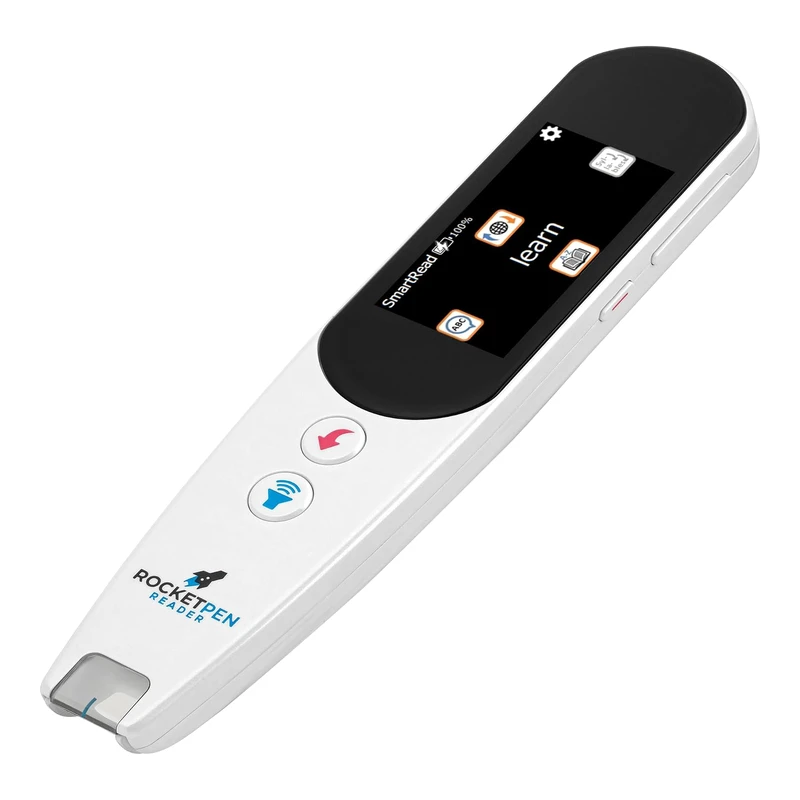 RocketPen ReaderStandalone reading tutorView details →
Whether a receipt is accepted for reimbursement is up to your plan, so confirm what documents your insurer or account administrator requires before you buy. We do not guarantee reimbursement.
Frequently asked questions
Will private insurance (Blue Cross, Aetna, UnitedHealthcare) cover a reading pen?
Coverage depends on your specific policy's Durable Medical Equipment (DME) rider. While many plans initially classify reading pens as educational aids, a claim supported by a strong Letter of Medical Necessity (LMN) and trial data may sometimes be considered under a miscellaneous code such as HCPCS E1399. Approval is not guaranteed and varies by plan.
Does Medicaid cover reading pens like C-Pen for children?
Sometimes. Federal Medicaid Early and Periodic Screening, Diagnostic, and Treatment (EPSDT) rules require coverage of medically necessary services for children and young people, which can include assistive devices in some cases. Rules vary by state, and reading pens are often treated as educational tools, so ask your state Medicaid office and your provider.
Can I use HSA or FSA funds to buy a scanning pen on Amazon?
Possibly. Whether a reading pen is an eligible expense depends on your plan's rules, and many plans want a Letter of Medical Necessity. Ask your plan administrator before you buy; if they approve it, keep your Amazon receipt and the letter in your records in case of an audit.
What should I do if my school district refuses to fund a reading pen?
Under IDEA, parents have the right to request an Independent Educational Evaluation (IEE) at public expense if the school's assessment is inadequate. Highlighting that reading pens like C-Pen Exam Reader 2 enable standardized test access without requiring a full-time human reader often persuades administrators.
Is Medicaid coverage for a reading pen guaranteed?
No. Medicaid rules differ by state, and each request is reviewed on its own facts, including medical necessity and the documentation provided. Some states approve assistive devices for children, while others deny pens as educational items. Check with your state Medicaid office or managed care plan, and ask about appeals.
What is a Letter of Medical Necessity for a reading pen?
A Letter of Medical Necessity is a document written and signed by a licensed clinician, such as an SLP, OT or physician. It explains the patient's diagnosis, how it limits reading, what has been tried and why a specific device is recommended. Insurers and Medicaid plans often ask for one, but requirements vary.
Can a school be required to buy a reading pen?
Not necessarily a specific pen. Under IDEA, the IEP team decides whether assistive technology is required for a child to receive a free appropriate public education, and the school chooses a way to meet that need. Ask for an assistive technology evaluation in writing, and consider an advocate if you disagree.
Are reading pens eligible for HSA or FSA reimbursement?
It depends on your plan administrator's rules and your documentation. Some administrators accept an item with a Letter of Medical Necessity, and others do not. Ask your administrator in writing before you buy, keep your receipt and letter, and consult a tax professional for tax questions.
How long does insurance or Medicaid approval for a reading pen take?
There is no standard timeline. It can take weeks or longer, depending on the plan, the completeness of your documents and whether you need an appeal. Ask your insurer or Medicaid office for their expected decision time when you submit, and do not buy the pen first if prior authorization is required.